In our fast-paced digital lives, chargers are often seen as disposable items—as long as they can power up devices, their purpose seems fulfilled.
To address the effects of low temperatures, users can take several measures to optimize the performance of the single USB European Standard Charger.
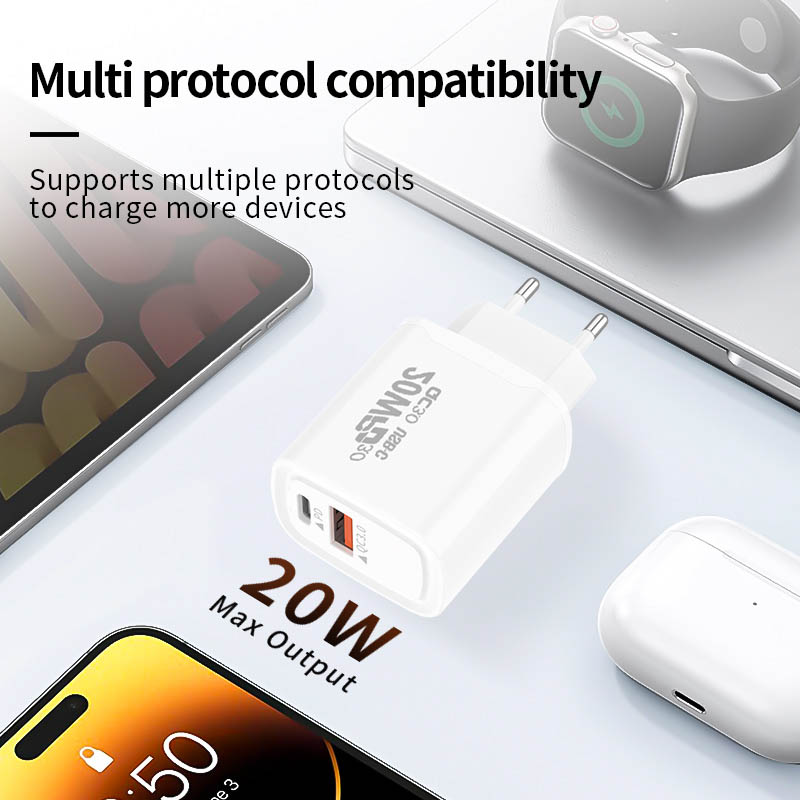
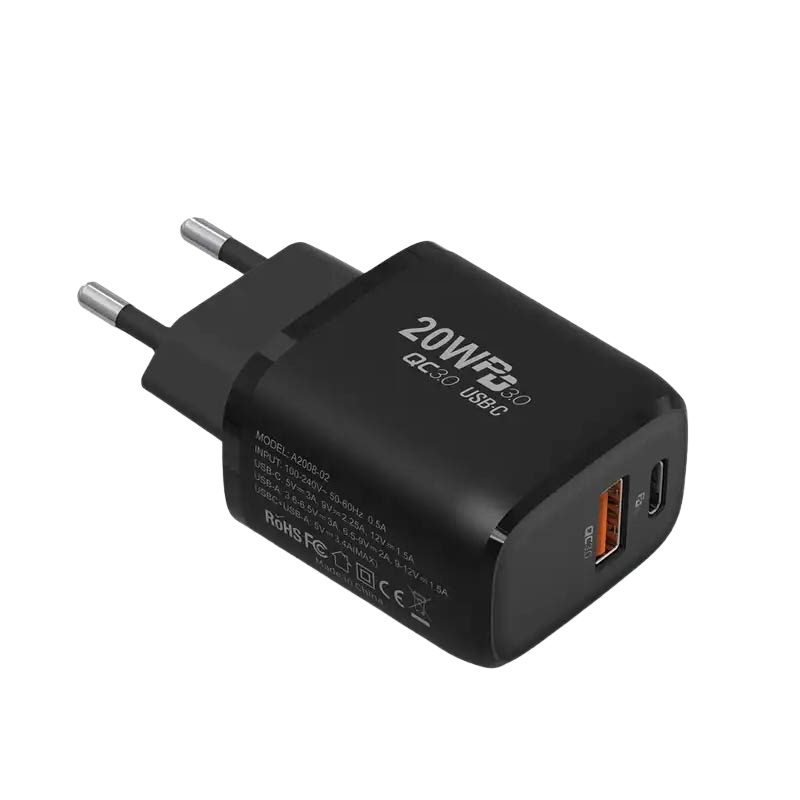
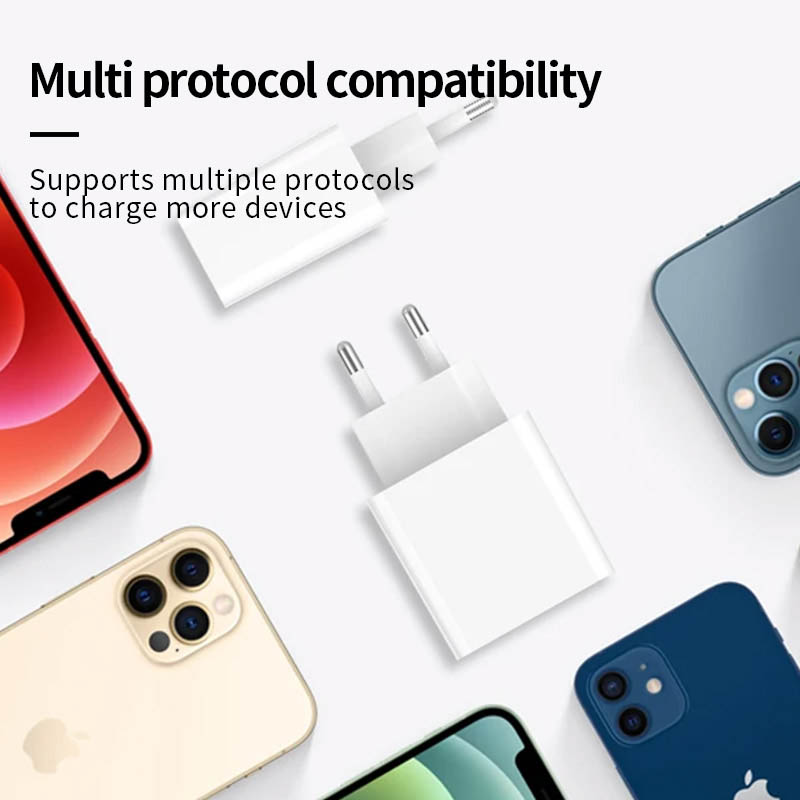
Take the current mainstream European Standard Charger as an example: it supports PD 3.0 fast charging, features both USB-A and Type-C ports, employs a double-layer insulation structure, has a sunburst textured anti-slip design, and incorporates a multi-pr
In everyday use, a seemingly simple action—inserting or unplugging the charger—actually involves subtle considerations.
Primary protection uses a temperature sensor and control chip to achieve real-time cut-off, while secondary protection relies on hardware circuit design.
Among the many types of chargers, the European Standard Single-C charger stands out for its simple design, universal interface, and regional compatibility, offering unique advantages in portability and usage scenarios, and is especially favored by Europea